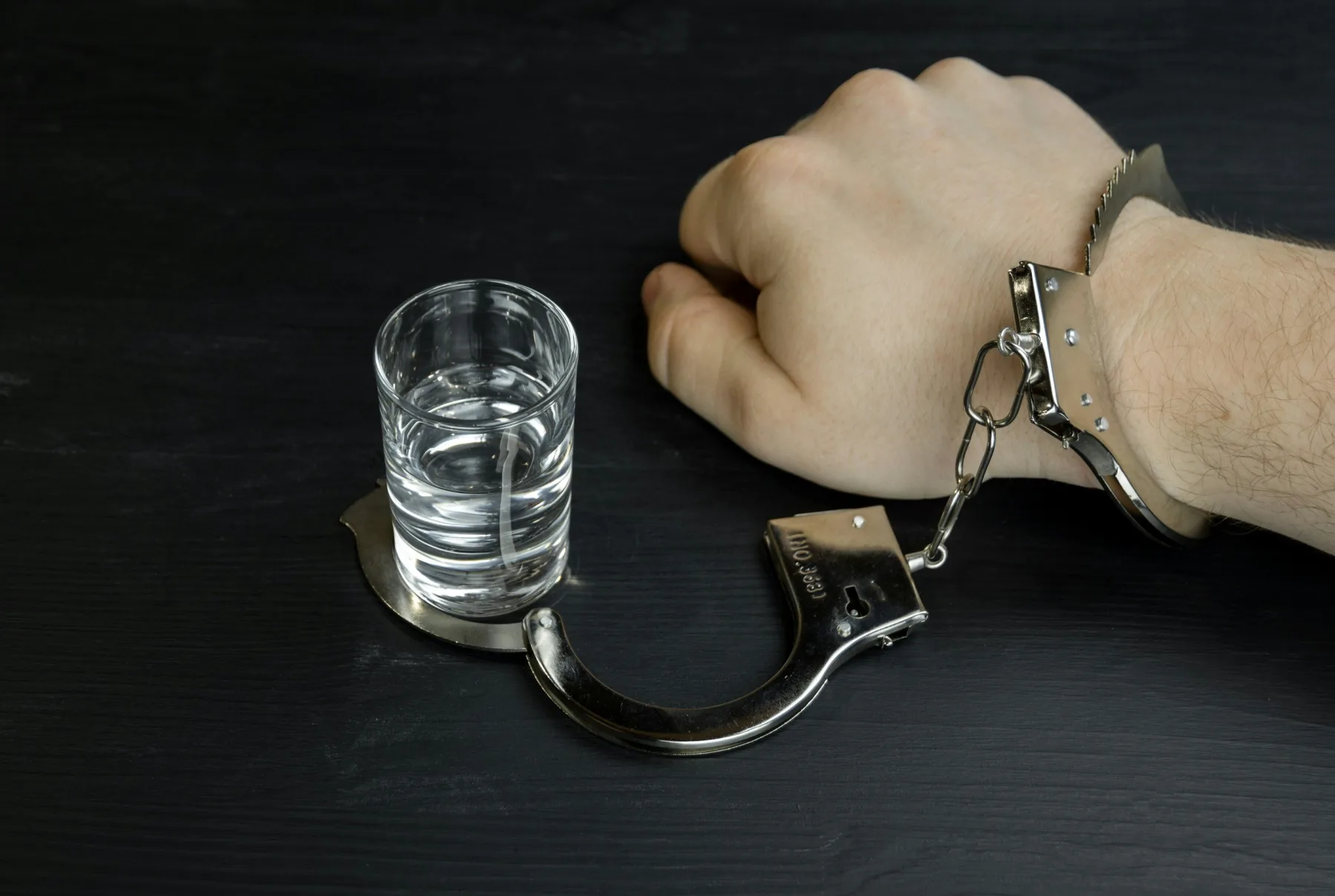
Why Do Some People Resist Getting Help?
It’s painful to watch someone you love struggle with addiction or mental health issues yet refuse the help they desperately need. You might ask yourself:
✔ Why won’t they accept that they have a problem?
✔ Don’t they see how much they’re hurting themselves, and us?
✔ What will it take for them to realize they need help?
The reality is that denial, fear, and shame often prevent people from accepting help. They may feel:
- Denial: “I don’t have a problem.”
- Fear of Change: “What if I can’t live without this substance?”
- Shame: “If I admit I need help, I’ll be judged.”
- Hopelessness: “It’s too late for me to change.”
- Mistrust: “Rehab won’t work for me.”
This resistance can be frustrating and heartbreaking, but the good news is that intervention works, when done the right way.
What is an Intervention?
An intervention is a structured and compassionate conversation designed to help a person struggling with addiction or mental health issues see the reality of their situation and accept help.
A well-planned intervention is NOT:
❌ An attack or blame session
❌ A surprise ambush
❌ A guarantee they will immediately say “yes”
A successful intervention IS:
✅ A loving, pre-planned conversation
✅ Focused on facts and emotions, not blame
✅ A structured opportunity to offer help
When handled correctly, an intervention can be the turning point that encourages your loved one to seek treatment.
How to Plan an Effective Intervention
Interventions are delicate, emotional situations that require thoughtful preparation. Here’s how to maximize your chances of success:
1. Assemble the Right Support Team
An intervention should include people who genuinely care about your loved one and can communicate with love and strength. Choose individuals who:
✔ Have a close, positive relationship with them
✔ Can remain calm, even if emotions run high
✔ Are committed to following through with next steps
💡 Tip: Consider involving a professional interventionist who can guide the conversation and prevent conflicts from derailing the process.
2. Plan What You’re Going to Say
Every person involved should prepare a clear, heartfelt message that focuses on:
✔ How their addiction or behavior has impacted them personally
✔ The love and concern they have for them
✔ A clear offer of help (treatment, therapy, support)
💬 Example:
"John, I love you so much. Over the past year, I’ve watched your drinking take over your life. You’ve lost your job, you rarely come to family gatherings, and I see you withdrawing more every day. I miss the person you used to be. I’m asking you to get help today because I don’t want to lose you to this disease."
3. Choose the Right Time & Place
Timing is critical for an intervention. Avoid moments when they are:
❌ Intoxicated or high
❌ Angry or agitated
❌ Distracted by a crisis
Instead, pick a moment when they are relatively calm and open to conversation. A neutral, private location works best.
4. Set Clear Boundaries & Consequences
One of the hardest parts of an intervention is setting firm boundaries, but without them, nothing changes. If they refuse treatment, each person must be prepared to follow through on the consequences they set.
💬 Example:
✔ “If you don’t get help, I won’t continue paying your rent.”
✔ “I can no longer allow you to live in my home if you refuse treatment.”
Boundaries are not about punishment. They are about refusing to support the addiction.
5. Have a Treatment Plan Ready
Before the intervention, have a treatment option already arranged. This removes barriers to saying yes and eliminates excuses.
🔹 Research rehab programs, detox centers, or therapists ahead of time
🔹 Have a bed or appointment secured so they can go immediately
🔹 Offer choices if possible (e.g., residential treatment, outpatient therapy, support groups)
💡 Tip: A professional interventionist can coordinate placement and handle logistics so families don’t have to navigate this alone.
What If They Say No?
It’s common for someone to resist help at first. If they refuse, stay calm and stand firm in your boundaries.
✔ Don’t argue. They are more likely to reconsider once emotions settle.
✔ Let the consequences stand, following through shows you are serious.
✔ Keep the door open, sometimes, they need time to process before agreeing to treatment.
Even if they say no today, the seeds have been planted. Many people return days or weeks later, ready to accept help.
When to Get Professional Help
Interventions can be emotionally charged and difficult to manage alone. If your loved one is highly resistant, has a history of aggression, or struggles with mental health issues, working with a trained interventionist can make all the difference.
A professional interventionist can:
✔ Guide the conversation to keep it on track
✔ Prevent emotional escalations
✔ Handle logistics like treatment placement and transport
💡 If you’re feeling overwhelmed, you don’t have to do this alone. I offer professional intervention services to help families navigate this challenging process.
Ready to Take Action? Let’s Talk.
If your loved one is struggling with addiction or untreated mental health issues, waiting won’t make things better. Intervention can be the first step toward real change.
📞 Schedule a free consultation today: www.interventionswithlove.com
❤️ You don’t have to do this alone. Let’s take the first step together.