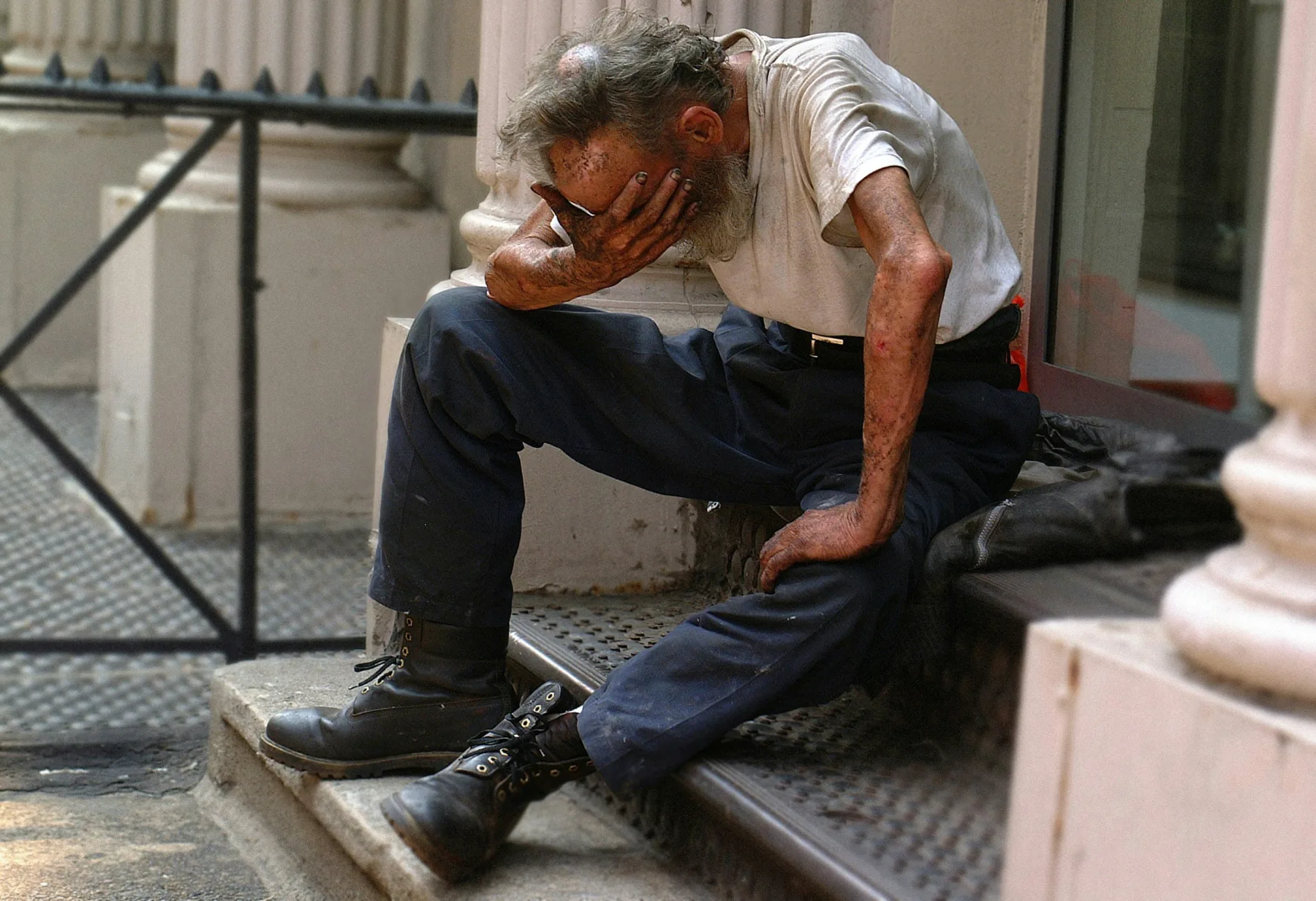
Alcoholism is a hidden crisis in many communities across the Midwest. From city streets to small towns, the ripple effect of alcohol misuse touches countless lives, often overshadowed by the region’s picturesque landscapes and tight-knit communities. The reality is that while alcohol plays a role in many social traditions and gatherings, its overuse and abuse are leaving a wake of broken families, personal struggles, and silent suffering. But this doesn’t have to be where the story ends. By understanding the impact of alcoholism and taking steps toward recovery, there is hope for healing and change.
Understanding the Culture of Alcohol in the Midwest
The Midwest is often seen as the heartland of America, known for its friendly people and strong sense of community. Here, alcohol is woven into many social events and cultural practices, whether it’s a celebratory toast at a family gathering, a local beer at a sports tailgate, or a night out with friends. While these traditions often build connection and camaraderie, they can also unintentionally encourage excessive drinking, blurring the line between social enjoyment and unhealthy habits.
Alcohol Accessibility and Its Impact
The accessibility of alcohol in the Midwest can make it even more challenging to address alcoholism. Liquor is easily found in grocery stores, gas stations, and bars, creating a culture where alcohol is ever-present. For those who struggle with alcohol use, this easy access can make it difficult to avoid temptation, and for families witnessing a loved one’s struggle, it can feel like an uphill battle.
The Link Between Alcoholism, Mental Health, and Trauma
Alcoholism rarely exists in a vacuum. It's often tied to deeper struggles with trauma, mental health, and life stressors. For many, alcohol becomes a coping mechanism, a temporary way to numb the pain of anxiety, depression, or unresolved trauma. In the Midwest, where economic challenges, job loss, and agricultural pressures are real, many individuals find themselves turning to alcohol as a way to escape or manage these overwhelming emotions. Unfortunately, this cycle often leads to more harm, worsening mental health, and deeper struggles with addiction.
Breaking the Stigma: Seeking Help for Alcoholism
Despite how common alcoholism is, there's still a strong stigma around seeking help. This stigma prevents many people from reaching out and keeps families silent in their struggles. But it’s important to know that help is available, and taking the first step toward recovery, whether for yourself or a loved one, can be life-changing. Whether through support groups, professional interventions, or recovery coaching, there are pathways to healing that can make all the difference.
The Power of Community Support and Connection
One of the greatest strengths of the Midwest is its sense of community, and that same support system can be a powerful ally in the journey to recovery. Open dialogue, community resources, and support networks can help reduce the isolation and shame that often accompany alcoholism. When families come together and offer love, understanding, and encouragement, they create a foundation of hope and healing.
Finding Hope and Taking Action: How to Support a Loved One
If you’re concerned about a loved one’s alcohol use, know that you're not alone. Finding the right support is key to guiding them toward recovery. An intervention with a professional can help set the stage for an open, honest conversation, offering a structured approach to discussing the impact of alcoholism on your family and identifying next steps for getting help. Support services like family recovery coaching and case management are designed to help you navigate this path with compassion and guidance, ensuring you and your loved one have the resources needed to move forward.
A Call to Heal: Your Journey to Recovery Starts Here
If you or someone you know is struggling with alcoholism, don't wait to seek support. Recovery is not just possible. It's a journey that can lead to renewed hope, healthier relationships, and a brighter future. By taking action, whether through intervention, support groups, or professional coaching, you're opening the door to healing for both your loved one and your entire family.